Description
The genus Thiobacillus is also known under the name of Acidithiobacillus. Thiobacillus are obligate autotrophic organisms, as they require organic carbon both as an electron and carbon source. Thiobacilli produce high quantity of sulphuric acid as a byproduct during oxidation of thiosuphates, sulphur and related inorganic sulphur-containing compounds to generate metabolic energy. Thiobacillus, by its production of sulphuric acid is involved in the destruction of concrete sewers and the acid corrosion of metals (2).
Thiobacillus Agar is a modification of formulation described by Starkey (1) and is used for the isolation and maintenance of Thiobacillus species.
The medium contains three inorganic sulphates and a thiosulphate. Phosphate serves as a buffer while sodium chloride maintains the osmotic balance of the medium.
Samples are inoculated into Thiobacillus Broth. After incubation at 25-30°C for about 7 days or more, turbidity or sulphur precipitation on the surface of the liquid or against the walls ofthe flasks, indicates growth of bacteria. Isolation is subsequently done on Thiobacillus Agar. Thiobacillus forms small sulphur impregnated colonies with clear zones, indicating acid formation from thiosulphate oxidation.
Quality Control
Appearance: White to cream homogeneous free flowing powder
Gelling: Firm, comparable with 1.25% Agar gel.
Colour and Clarity of prepared medium: Light amber coloured clear to slightly opalescent gel forms in Petri plates.
Cultural Response
Cultural characteristics observed after an incbatiuon at 25-30°C for upto 7 days.
| Organism | Cultural Response |
|---|---|
| Thiobacillus thioparus ATCC 8158 | luxuriant |
| Thiobacillus thiooxidans ATCC 8085 | luxuriant |
Storage and Shelf Life
Store below 30°C in tightly closed container and the prepared medium at 2 - 8°C. Use before expiry date on the label.
Related Products
Related Products
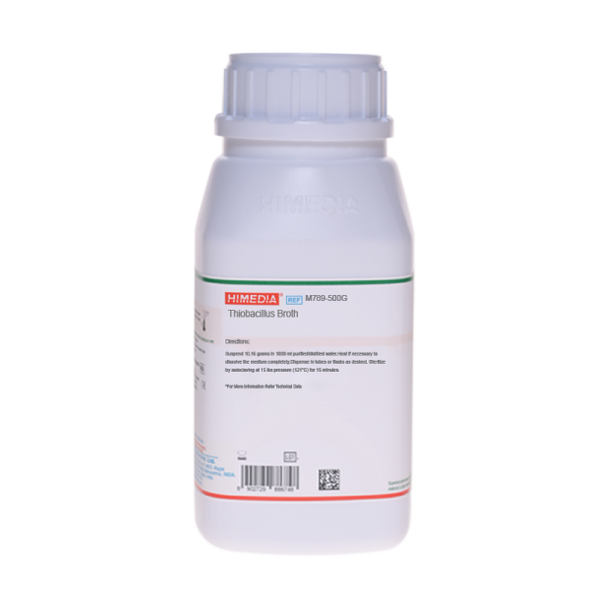
Thiobacillus Broth 500G Each
HIMEDIA

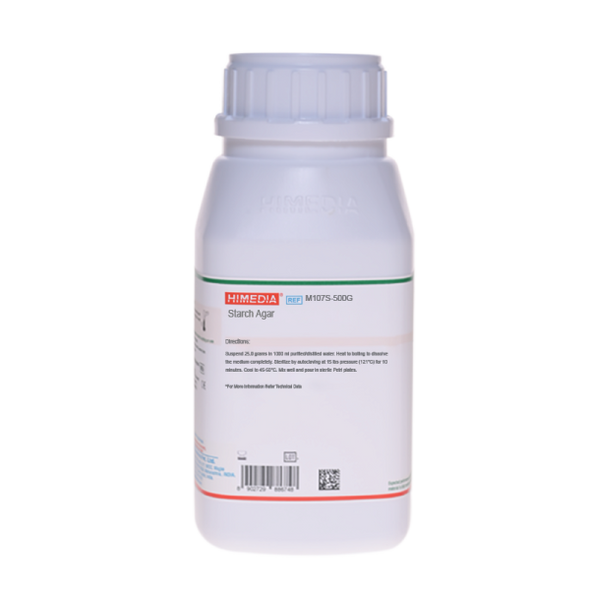
Starch Agar 500g Each
HIMEDIA


LI Agar 500G Each
HIMEDIA