Description
Letheen Broth is recommended for determining the bacterial activity of quaternary ammonium compounds using organisms such as Escherichia coli and Staphylococcus aureus ATCC 6538. It is also suitable for microbiological testing applications involving environmental and water samples.
Composition
Typical formulation per litre:
Peptone – 10.0 g
HM Peptone B (equivalent to Beef Extract) – 5.0 g
Lecithin – 0.7 g
Polysorbate 80 (Tween 80) – 5.0 g
Sodium Chloride – 5.0 g
Final pH at 25°C: 7.0 ± 0.2
The formulation may be adjusted or standardised where required to meet specified performance parameters.
Preparation
Suspend 25.7 g of the dehydrated medium in 1 litre of purified or distilled water. Heat if required until the medium has completely dissolved. Dispense into suitable tubes or flasks and sterilise by autoclaving at 121°C (15 psi) for 15 minutes.
Principle
Letheen Broth contains a combination of nutrients and neutralising agents designed to support microbial recovery in samples that may contain residual disinfectants.
Peptone and HM Peptone B provide nutrients and trace elements required for microbial growth. Lecithin assists in neutralising quaternary ammonium compounds, while Polysorbate 80 helps neutralise substances including phenolic disinfectants, hexachlorophene and formalin.
This neutralising action makes the medium particularly useful when recovering microorganisms from samples taken from equipment, utensils and other surfaces where disinfectants or sanitising agents may be present.
Letheen Broth is referenced for applications including the assessment of cationic surfactants, cosmetic testing and microbiological examination of water.
Suitable Specimens
Suitable for use with:
Environmental samples
Water samples
Samples should be collected, handled and processed using appropriate microbiological procedures and applicable laboratory or local standards. Contaminated materials should be sterilised appropriately before disposal.
Precautions
Read the product label before use and follow standard microbiological laboratory procedures. Appropriate protective clothing, gloves and eye or face protection should be worn when required.
Specimens and microbial cultures should be handled according to established laboratory safety procedures. Refer to the relevant Safety Data Sheet for additional handling and safety information.
Limitations
Letheen Broth is a general-purpose medium and may not provide sufficient nutritional requirements for some fastidious microorganisms.
Growth characteristics may also vary between organisms due to differences in nutritional requirements.
Quality Control
Appearance: Cream to yellow, homogeneous, free-flowing powder
Prepared medium: Clear, light yellow solution
Reaction: 2.57% w/v aqueous solution at 25°C
pH: 6.8–7.2
Cultural Response
Cultural characteristics are observed following incubation at 35–37°C for 24–48 hours.
Escherichia coli ATCC 25922 (WDCM 00013) – Good to luxuriant growth at 50–100 CFU
Staphylococcus aureus subsp. aureus ATCC 6538 (WDCM 00032) – Good to luxuriant growth at 50–100 CFU
Escherichia coli ATCC 8739 (WDCM 00012) – Good to luxuriant growth at 50–100 CFU
Staphylococcus aureus subsp. aureus ATCC 25923 (WDCM 00034) – Luxuriant growth at 50–100 CFU
Performance is expected when the medium is prepared and used according to the product instructions, within its stated expiry period and under the recommended storage conditions.
Storage and Shelf Life
Store the dehydrated medium at 10–30°C in a tightly sealed container. Prepared medium should be stored at 15–25°C.
After opening, keep the container tightly closed and store in a dry, well-ventilated location. The powder is hygroscopic, so exposure to moisture may result in lump formation.
Protect from extreme temperatures and sources of ignition. For optimum performance, use the product before the expiry date stated on the packaging.
Disposal
Used or unusable medium should be disposed of in accordance with established laboratory procedures and applicable regulations. Infectious or potentially contaminated materials should be appropriately decontaminated, for example by autoclaving, before disposal.
Related Products
Related Products

Letheen Broth 500g
BD
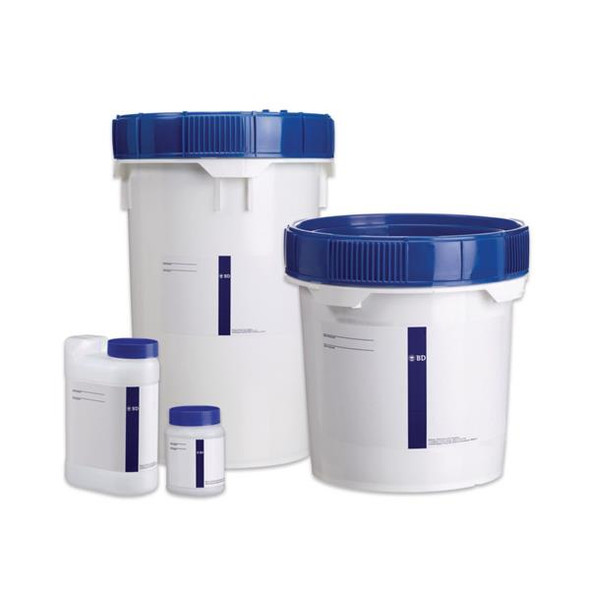
Letheen Broth Modified 500g
BD

Synthetic Broth, AOAC (Wright and Mundy) 500g
HIMEDIA
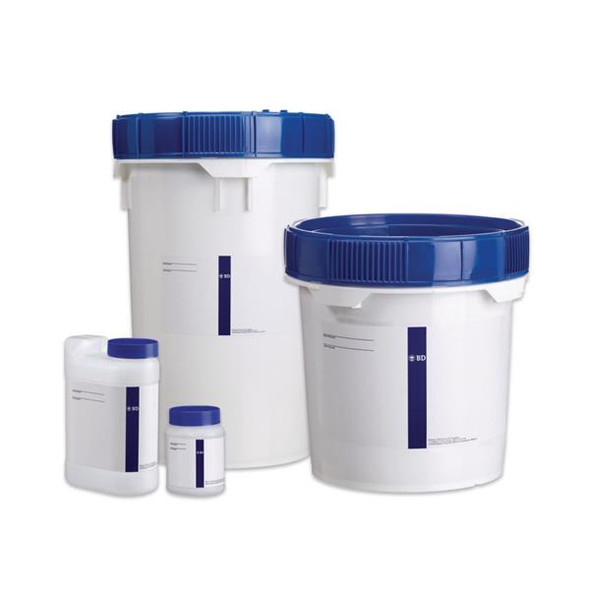
Letheen Agar (Modified) 500g
BD

Letheen Broth 10ml Plastic Caps Pk 50
SGL