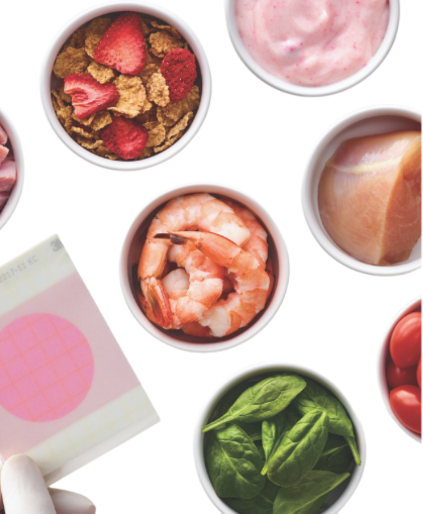
EIT BactiScan Range
You can use this widget to input text into the page.
See contamination. Before you swab
ATP swab testing is a well-established hygiene verification method. But it has a fundamental limitation: you can only detect contamination where you choose to sample. Biofilm doesn't grow in the most accessible spots, it builds up in spray shadows, behind seals, under gaskets, and in areas that CIP cycles don't reliably reach. By the time a surface swab returns a positive result, contamination is typically already well established.
Bactiscan gives QA, hygiene and quality control teams a visual layer of detection before swabbing begins, immediately revealing where contamination is present, so that testing and cleaning effort goes to the right places, not just the convenient ones.
Independently validated by Campden BRI
The Bactiscan range has been independently assessed by Campden BRI, one of the UK's leading food and drink research organisations, operating under an ISO 9001-registered quality management system, against two competing UV detection instruments across 27 microorganism species.
Species tested included Listeria monocytogenes, Salmonella Typhimurium and Enteritidis, E. coli O157:H7, MRSA, Vancomycin-resistant Enterococcus (VRE), Pseudomonas aeruginosa, Candida albicans, and Clostridioides difficile, representing key pathogens across food, pharmaceutical, medical and veterinary environments.
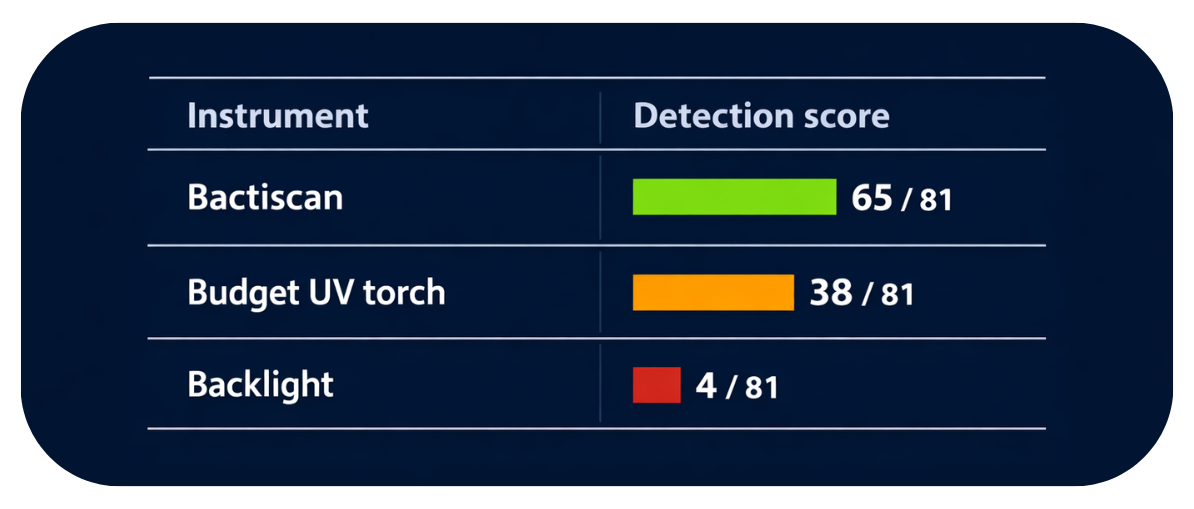
Bactiscan was the only instrument to reliably detect weaker biofilm formers. It was also the only instrument able to clearly distinguish between genuine biofilm fluorescence and common surface residues, both competing devices produced similar responses for biofilm and for food debris, making interpretation unreliable in practice.
Works alongside your existing ATP programme, not instead of it
ATP testing measures adenosine triphosphate to assess surface cleanliness and organic residue. It's fast, widely used, and well understood. But it has limitations that are worth knowing.
ATP detection is inherently probabilistic, results depend entirely on where you choose to swab. It also shows reduced sensitivity in the presence of dead or injured bacterial cells, which are still physically present on the surface. And swabbing the outer layer of an established biofilm is known to generate false negatives, because the biofilm matrix protects the organisms underneath.
Bactiscan is designed to work with ATP, not replace it. Use Bactiscan to visually scan surfaces first, identifying exactly where biofilm and bacteria are present, then direct ATP swabs to those specific locations. The result is more accurate data from fewer tests, better coverage of high-risk areas, and greater confidence in your hygiene verification results.
Benefits
Immediate, real-time detection
Detects contamination at early biofilm stages
Covers large surface areas quickly
No consumables required
No downtime required in most environments
Validated across 27 microorganism species
Safe for operators and products
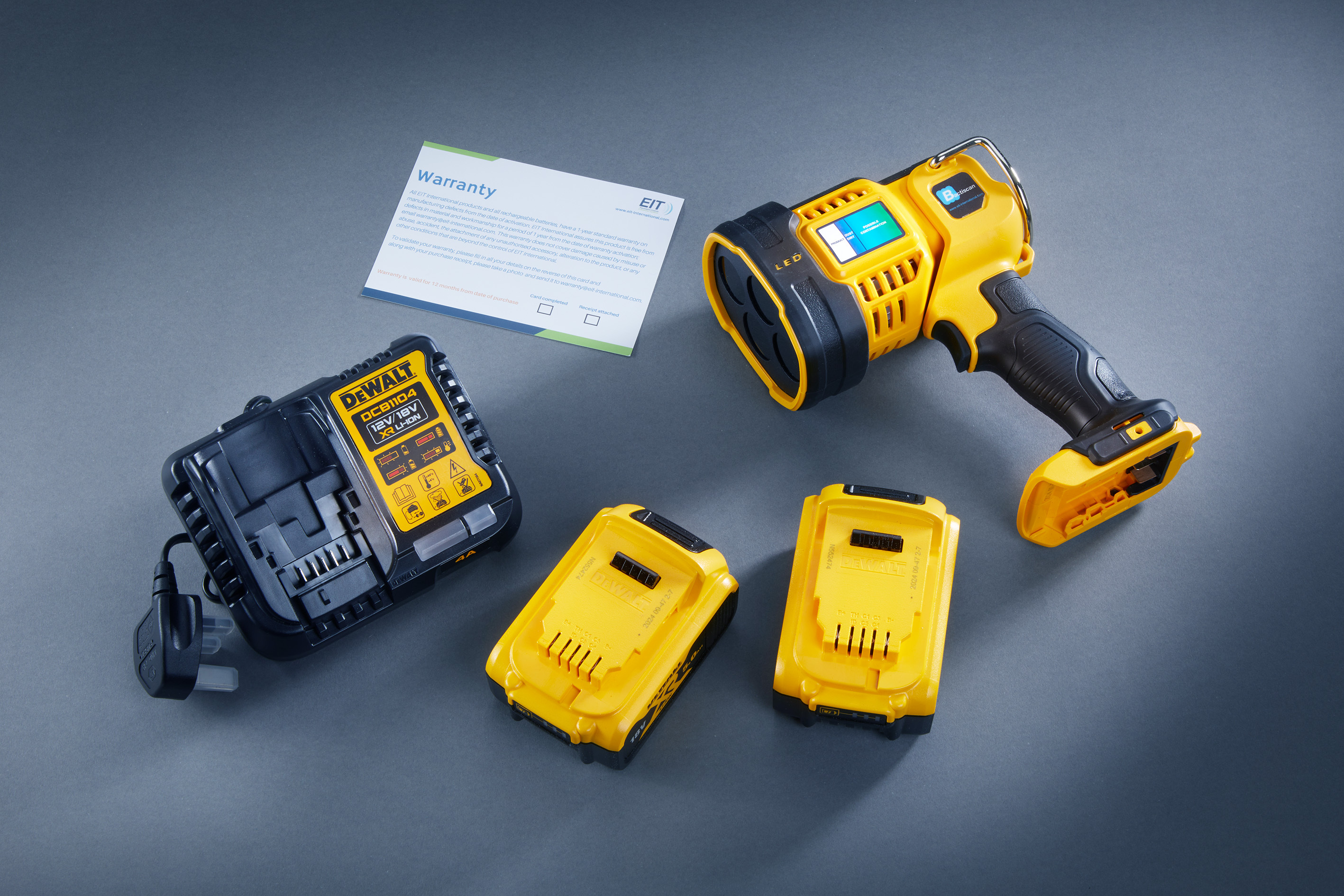
Bactiscan
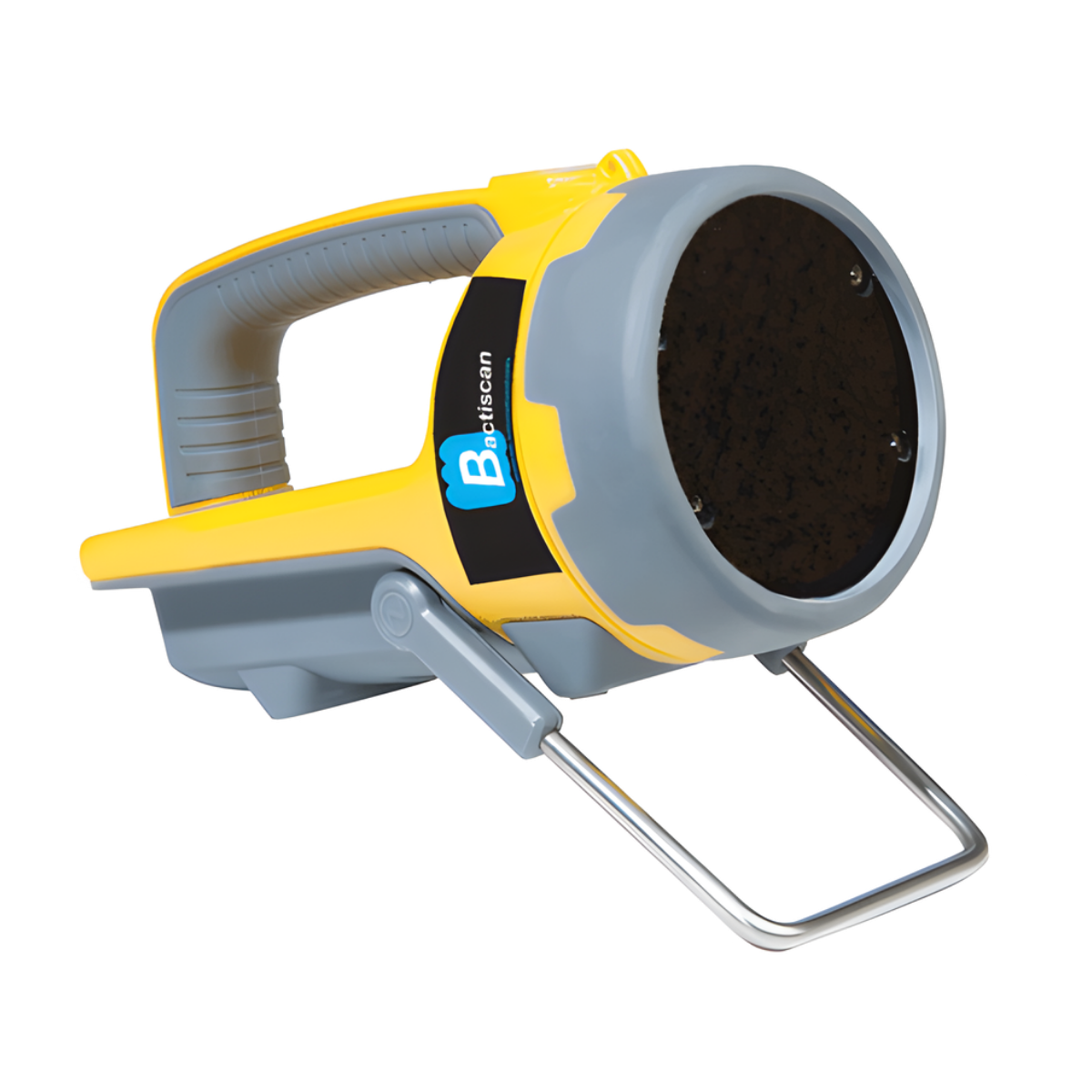
The standard Bactiscan unit. Lightweight, handheld, and battery-operated. Suitable for routine surface inspection across production, facility and laboratory environments. Requires no consumables and minimal operator training.
BactiscanPLUS
The latest addition to the range. Features a swivelling head for access to difficult-to-reach spaces, dual DEWALT®-technology rechargeable batteries (1.5hr charge, 2hr+ use per battery) for extended uninterrupted operation, and an IP54 rating for use in wet and humid environments.
BactiscanPRO™
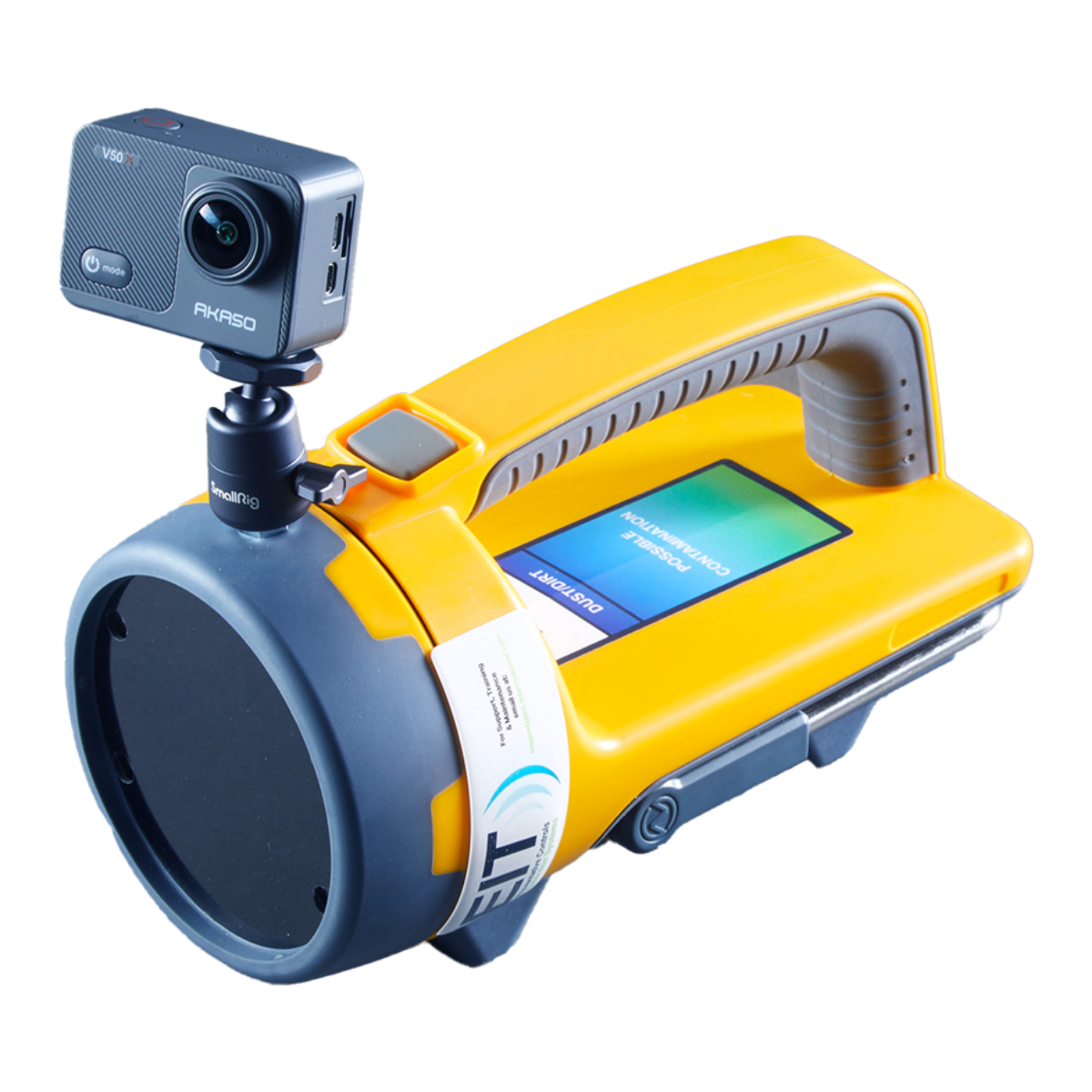
All the capabilities of the standard unit, with the addition of still photography and video capture. Ideal for teams that need to document contamination findings for QC records, audit evidence, client reports or remediation tracking.
Interested in the Bactiscan range?
Complete the short form below and a member of the Trafalgar Scientific team will be in touch. We can provide product datasheets, the full Campden BRI validation report, and further information to help you assess whether Bactiscan is the right fit for your environment.