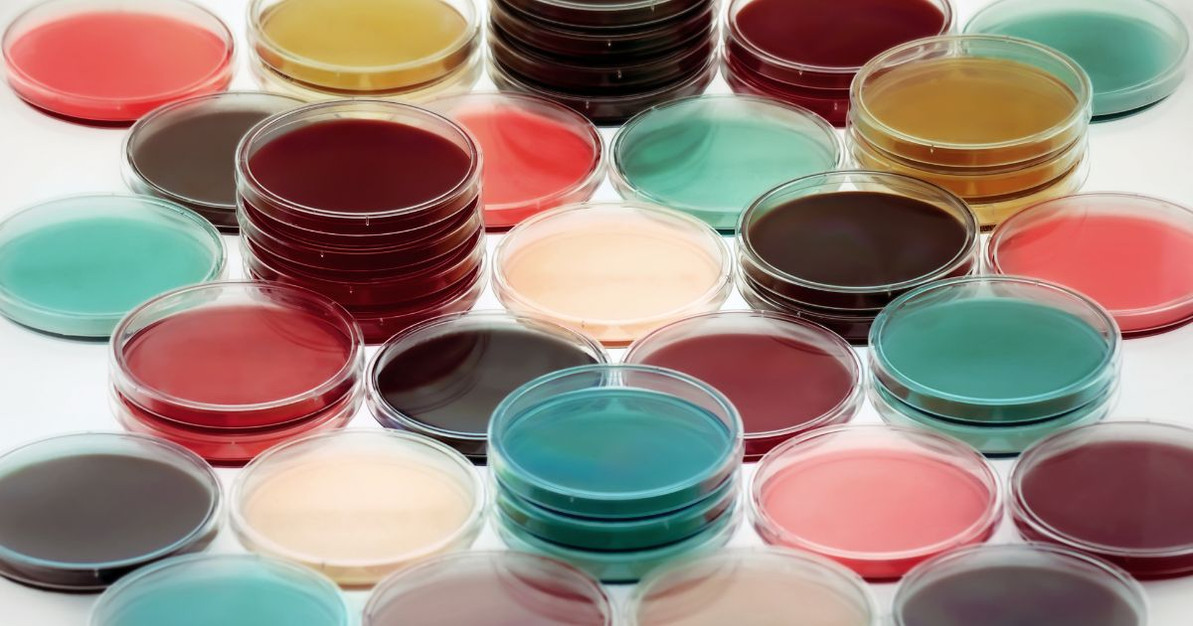
Sustainable Petri Dishes in Modern Microbiology Laboratories: Choosing the Right Vented Solution
Microbiology laboratories today face the challenge of balancing accuracy, efficiency and sustainability. Whether carrying out routine quality control testing, food and beverage analysis, environmental monitoring or research applications, selecting the correct petri dish can have a significant impact on culture performance, resource usage and laboratory workflows.
At Trafalgar Scientific, we supply a comprehensive range of Sterilin™ petri dishes, including single-vented, triple-vented, non-vented and specialist contact plate formats, designed to support reliable microbiological testing across a wide range of industries.
Why Petri Dish Selection Matters
Petri dishes remain one of the most widely used consumables in microbiology laboratories. Used alongside microbiology media, incubators, colony counters and laboratory equipment, they provide a controlled environment for the cultivation and observation of microorganisms.
While many laboratories focus primarily on dish size and sterility, venting design is equally important. The correct vent configuration can help improve airflow, reduce condensation and support more consistent microbial growth depending on the application.
Understanding Vented and Non-Vented Petri Dishes
Triple-Vented Petri Dishes
Triple-vented petri dishes are among the most popular choices for routine microbiological applications. Products such as the Sterilin™ 90mm Triple-Vented Petri Dishes provide controlled airflow between the lid and base, helping to minimise moisture build-up during incubation.
The benefits include:
- Reduced condensation on lid surfaces
- Improved visibility of colonies
- More consistent growth conditions
- Reduced risk of excess moisture affecting results
These advantages make triple-vented dishes particularly suitable for:
- Food and beverage microbiology
- Water testing laboratories
- Environmental monitoring
- Pharmaceutical quality control
- Academic research laboratories
Single-Vented Petri Dishes
Single-vented designs offer a balance between airflow and moisture retention. Products such as Sterilin™ single-vent petri dishes can be useful where some gas exchange is required while maintaining greater humidity within the culture environment.
Many laboratories select single-vent formats for routine culture work where incubation conditions require moderate ventilation.
Non-Vented Petri Dishes
Non-vented petri dishes provide a more sealed environment and are often selected when moisture retention or contamination control is a higher priority. Sterilin non-vented options are commonly used for specialised microbiological procedures and sample containment applications.
Optimising Incubation Conditions for Reliable Results
Selecting the correct petri dish is only one part of a successful microbiology workflow. Equally important is maintaining accurate and consistent incubation conditions to support reliable microbial growth and reproducible test results.
For routine microbiological analysis, many laboratories utilise standard laboratory incubators to maintain stable temperatures during culture growth. These systems are widely used across food testing, water analysis, pharmaceutical quality control and research laboratories, providing precise environmental control for bacterial and fungal incubation.
Where applications require temperatures below ambient conditions, LMS cooled incubators offer additional flexibility. Cooling incubators are particularly valuable for environmental studies, yeast and mould investigations, shelf-life testing and specialist microbiological applications where lower incubation temperatures are essential. When combined with high-quality Sterilin™ petri dishes and appropriate microbiology media, LMS cooled incubators help laboratories maintain controlled and repeatable testing conditions throughout the incubation process.
By selecting the correct combination of petri dishes, microbiology media and incubation equipment, laboratories can improve workflow efficiency, reduce the likelihood of repeat testing and support consistent analytical performance across a wide range of microbiological applications.
Sustainability Starts with Smarter Laboratory Consumables
As laboratories continue to develop sustainability objectives, consumable selection is becoming increasingly important. An option may even include innovation and technology to reduce biohazardous waste at source.
While disposable plastic petri dishes remain essential for many regulated testing environments, choosing high-quality, application-specific products can support sustainability initiatives by reducing:
- Repeat testing
- Product wastage
- Damaged cultures
- Failed incubations
- Excess inventory requirements
Selecting the correct vented dish from the outset helps laboratories achieve reliable results with fewer repeated procedures and reduced material consumption.
Additionally, purchasing the correct pack size for laboratory throughput can improve stock management and minimise unnecessary waste. Trafalgar Scientific supplies petri dishes in a variety of pack quantities to suit both high-throughput and smaller-scale laboratories.
Building an Efficient Microbiology Workflow
Petri dishes perform best when used as part of a complete microbiology workflow.
Alongside Sterilin petri dishes, laboratories can improve efficiency by integrating:
- Prepared microbiology media
- Sample collection consumables
- Laboratory incubators
- Colony counters
- Pipettes and liquid handling equipment
- Environmental monitoring products
- ATP and hygiene monitoring systems
By sourcing compatible consumables and equipment from a single supplier, laboratories can simplify procurement processes and maintain consistency across testing procedures.
Specialist Petri Dish Formats for Modern Laboratories
Not all microbiological testing requires standard circular dishes.
Trafalgar Scientific's range includes specialist formats such as:
Contact Plates
Sterilin™ triple-vent contact plates are widely used in environmental monitoring programmes, particularly within food production, pharmaceutical manufacturing and cleanroom environments.
Twin-compartment designs allow laboratories to perform multiple tests within a single dish format, potentially reducing consumable usage and improving workflow efficiency.
Square petri dishes can maximise available incubation space and support specialised culture applications where larger growth surfaces are required.
Choosing the Right Petri Dish for Your Application
When selecting a petri dish, laboratories should consider:
- Required sterility
- Venting requirements
- Sample type
- Incubation conditions
- Laboratory throughput
- Sustainability objectives
- Regulatory requirements
- Standard Operating Procedures
For many routine microbiology laboratories, triple-vented Sterilin petri dishes offer an excellent balance of performance, visibility and ease of use. However, single-vented and non-vented options remain important for specialist testing applications.
Supporting Sustainable Scientific Research
As laboratory managers continue to seek operational efficiencies and sustainability improvements, selecting the right consumables is becoming an increasingly strategic decision.
By choosing quality microbiology products from trusted manufacturers such as Sterilin™, laboratories can support consistent performance, reduce unnecessary waste and maintain confidence in their testing procedures. Whether you're conducting food microbiology testing, environmental monitoring or scientific research, selecting the correct vented petri dish can help optimise laboratory performance while supporting broader sustainability goals.
Recent Posts
-
Sustainable Petri Dishes in Modern Microbiology Laboratories: Choosing the Right Vented Solution
Microbiology laboratories today face the challenge of balancing accuracy, efficiency and sustainabil …24th Jun 2026 -
Sustainable Cooling Incubators for Testing and Diagnostics — With UK based Manufacturer LMS
Across food safety, water quality, contract testing, clinical diagnostics or indeed research, coole …13th Jan 2026 -

Meet Claire Hill, Our Clinical Diagnostics Sales Manager
If you haven't already heard the news, we're delighted to tell you that Claire Hill has joined Trafa …22nd Jan 2024